

On #IDM2023 we’re celebrating the midwives who are improving health outcomes for women by turning evidence into practice.
Each year on 5 May we celebrate International Day of the Midwife in recognition of the vital work of midwives around the globe. This year’s theme, Together Again: From evidence to reality honours midwives who have taken action to put critical evidence into practice.
“Through this theme, we also want to acknowledge the evidence supporting our profession, and the need to turn this evidence into improved respect, autonomy and working conditions for midwives and improved health outcomes for women and families”.
The International Congress of Midwives
Would you like to participate in International Day of the Midwife celebrations? Here are some ideas to get started:
- The International Confederation of Midwives hosts events and resources to help you celebrate and acknowledge the day.
- The Australian College of Midwives lists events around the country.
- Put on your walking shoes and take part in an Australian College of Midwives walking meetup. Check with your state branch to find out the time and location of walks — meet other midwives and celebrate the day with a walk outdoors.
Over the last three years midwives have all met extraordinary challenges and risked their health to provide outstanding care to women and their families.
Celebrate your achievements and commitment to this very important profession. Pause today to reflect and recognise your hard work and achievements in collaborating with women and their families to achieve excellent health outcomes.
Important work – the numbers
Every year we:
- support the births of 310,000 babies in Australia (and rising)
- save millions of lives (4.3 million globally by 2035 if governments invest in our profession)
- defend women’s rights by helping to prevent female genital mutilation and family violence
- advance the rights of women around the world.
This hard work is at risk as the world is facing a global shortage of 900,000 midwives. We thank the members of our profession for everything they do to protect the health and safety of mothers in challenging circumstances.
We especially want to acknowledge First Nations midwives and their colleagues for the crucial work they do to help close the gap for the health of Aboriginal and Torres Strait Islander mothers and babies. The ‘Birthing in Our Community’ study showed that strong Indigenous leadership and culturally safe care could dramatically improve outcomes. First Nations people have been working with health organisations to act on the evidence in the report.
Find out more about some programs that have been improving culturally-safe care:
We support the voices calling to increase training and recruitment of more First Nations midwives to ensure culturally safe care — we look forward to welcoming more First Nations practitioners to the profession in the coming years.
We love hearing the wisdom and insights of our fellow midwives, so we asked experienced midwives Kerry and Tara to answer our questions about their careers, practice, and advice for young midwives. Check out what they had to say:
Test your knowledge — and quiz your colleagues! Here’s some midwifery trivia, little-known facts and professional heresay.
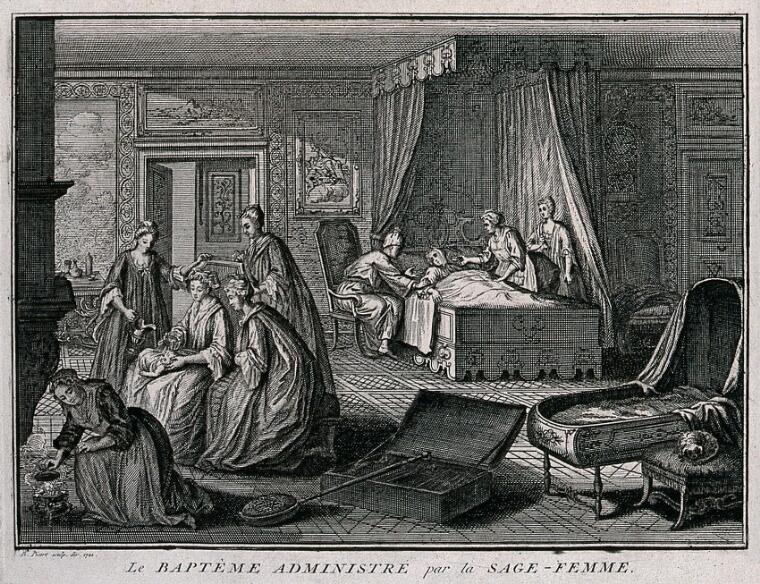
- The word ‘midwife’ comes from an old English word meaning ‘with woman’ and dates back as early as 1300.
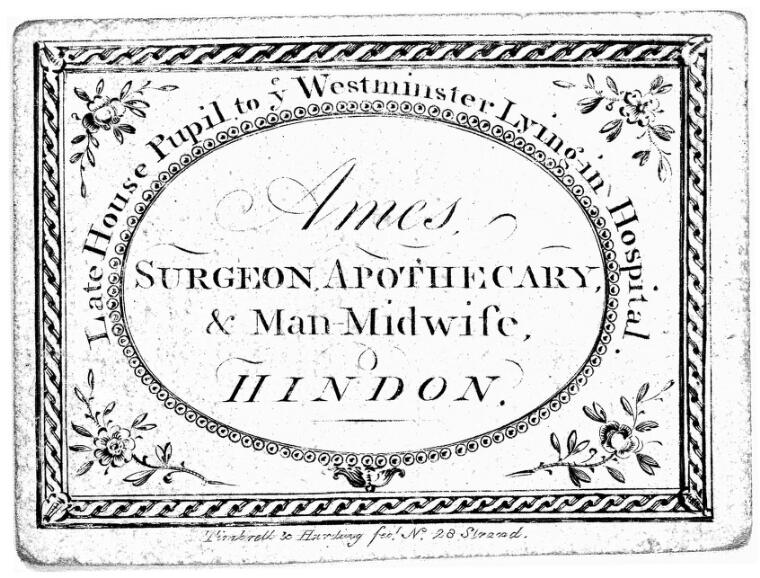
- It wasn’t until the 17th century that the term ‘man-midwife’ or ‘he-midwife’ appeared. Male midwives became popular in Britain in the early 18th century among upper class people.
- In 1847 a man named James Young Simpson, a professor of midwifery, first administered chloroform, a pain relief agent, to a woman in labour who was said to be so grateful she named her child Anaesthesia.
- In 1350 it is alleged a urine-based test to confirm pregnant was recorded in Ancient Egypt — a woman would urinate on barley and wheat seeds for a few days. If they sprouted, it was determined she was pregnant. If the wheat grew, it meant she having a girl and if the barley grew, she was having a boy.
- Until the mid 1800’s, women would bake a cake while they were in labour called a groaning cake — the smell of the cake, along with the work of baking it, was thought to ease the pain of labour.
- Some monkey species, such as the black snub-nosed monkey, have been observed acting as midwives during birth.
Midwifery is wonderful, but it’s also challenging. We urge you to prioritise your own wellbeing and devote time and attention to your health.
Bring new focus to your health and wellbeing and do something that makes you feel good.
Try these ideas:
From Nurse and Midwife Support, we thank you for all the incredible work you do. As a practising midwife, your health matters. We are always here to support you with free, confidential, 24/7 advice. Phone 1800 667 877 or email us.


For confidential advice and support you can contact us at 1800 667 877 or emergency support 24/7